Water has appeared on a ceiling
Note when it happens and look for fresh damp in the loft if you can do so safely.
If something has started leaking or moved on the roof, start with what has actually changed. The weather, the position of the damp and the roof detail above it usually give a better starting point than the age of the roof.
Quote requests are provided by MyJobQuote, an independent third-party service.
Note when it happens and look for fresh damp in the loft if you can do so safely.
One slate may be a local repair. Several slips can point to ageing fixings.
The lead, mortar and chimney masonry all need looking at.
Watch where the water slows down rather than only where it spills.
Check the outlet, the fall and the edges of the covering.
Look from the ground for anything that has moved or fallen.
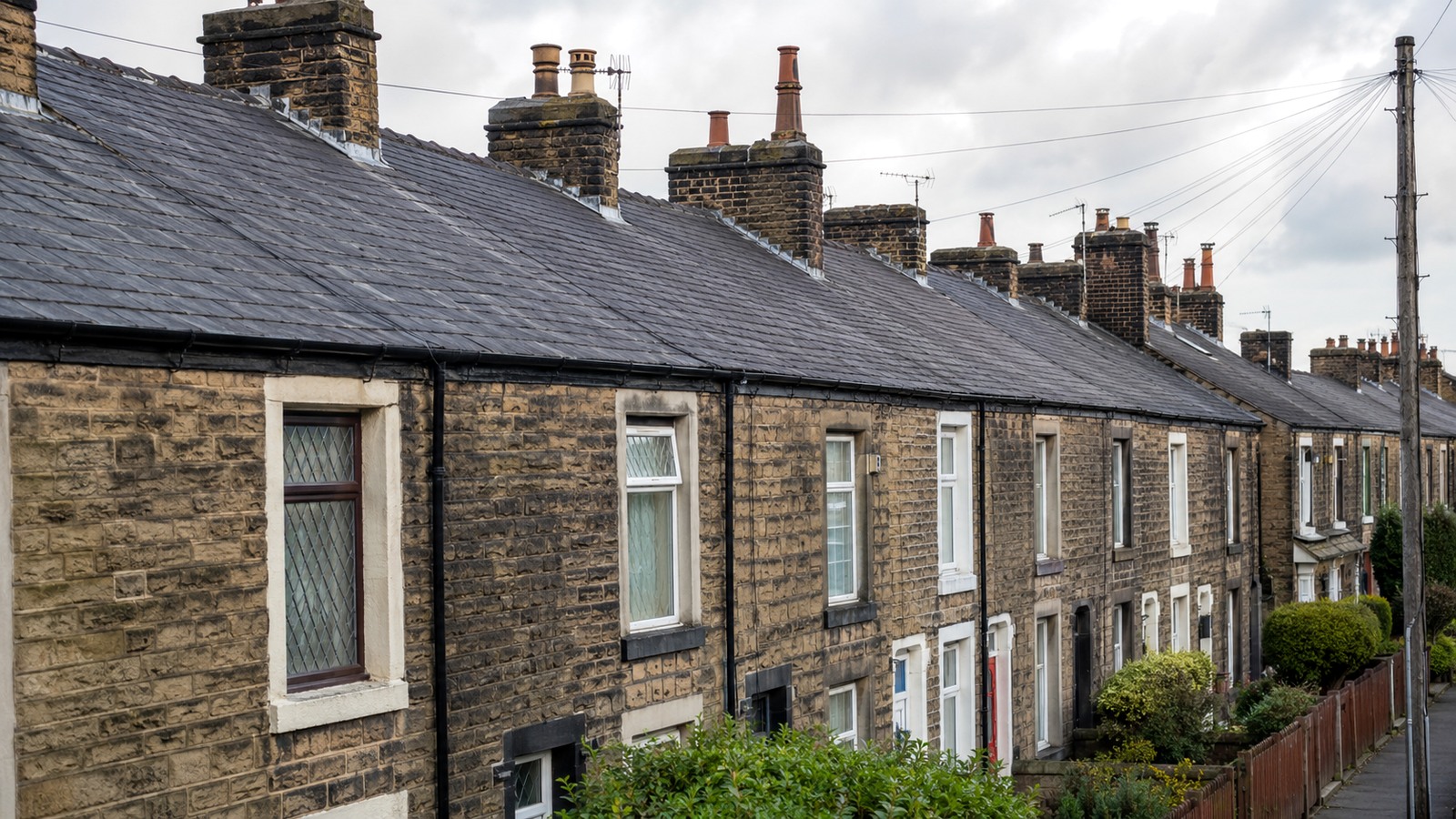
Historic England records late eighteenth and early nineteenth-century Rochdale houses built in watershot stone with stone-slate or slate roofs. Broad Lane and Syke Road include surviving weavers' cottages, while older Milnrow houses on Dale Street use hammer-dressed stone and graduated stone slate.
That makes stone-slate repairs, chimney work and masonry junctions more relevant here than on a site built entirely around later tiled estates. Modern roofs and extensions are common too, so the site covers both.
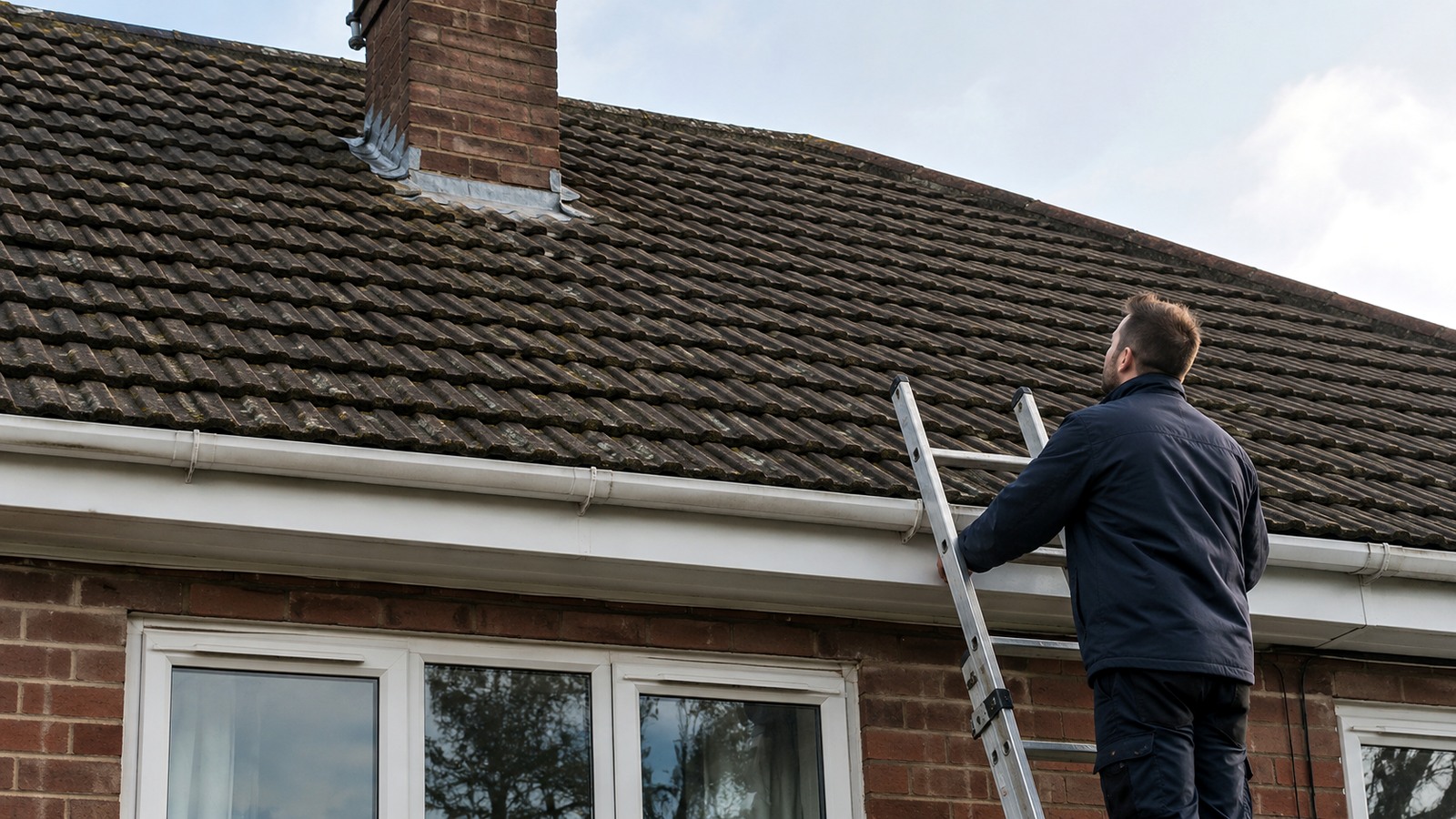
Older stone-slate roofs need repairs that respect the weight and way the original courses were laid.
Stone walls, long upper windows and traditional roofs need looking at as one building rather than separate parts.
Older stone properties sit alongside later suburban roofs, so the repair detail can vary a lot.
Access and height can cost more than the slate or tile being replaced.
Look for fresh damp, repeated patching and awkward high-level access.
Simple checks from the ground and loft can reveal changes before they become larger leaks.